Ozempic Muscle Loss: Why Stairs Feel Harder on GLP-1s
Ozempic muscle loss is real: the scale can fall while stairs get harder. A Subang Jaya physio on strength, tendons, and when to start training.
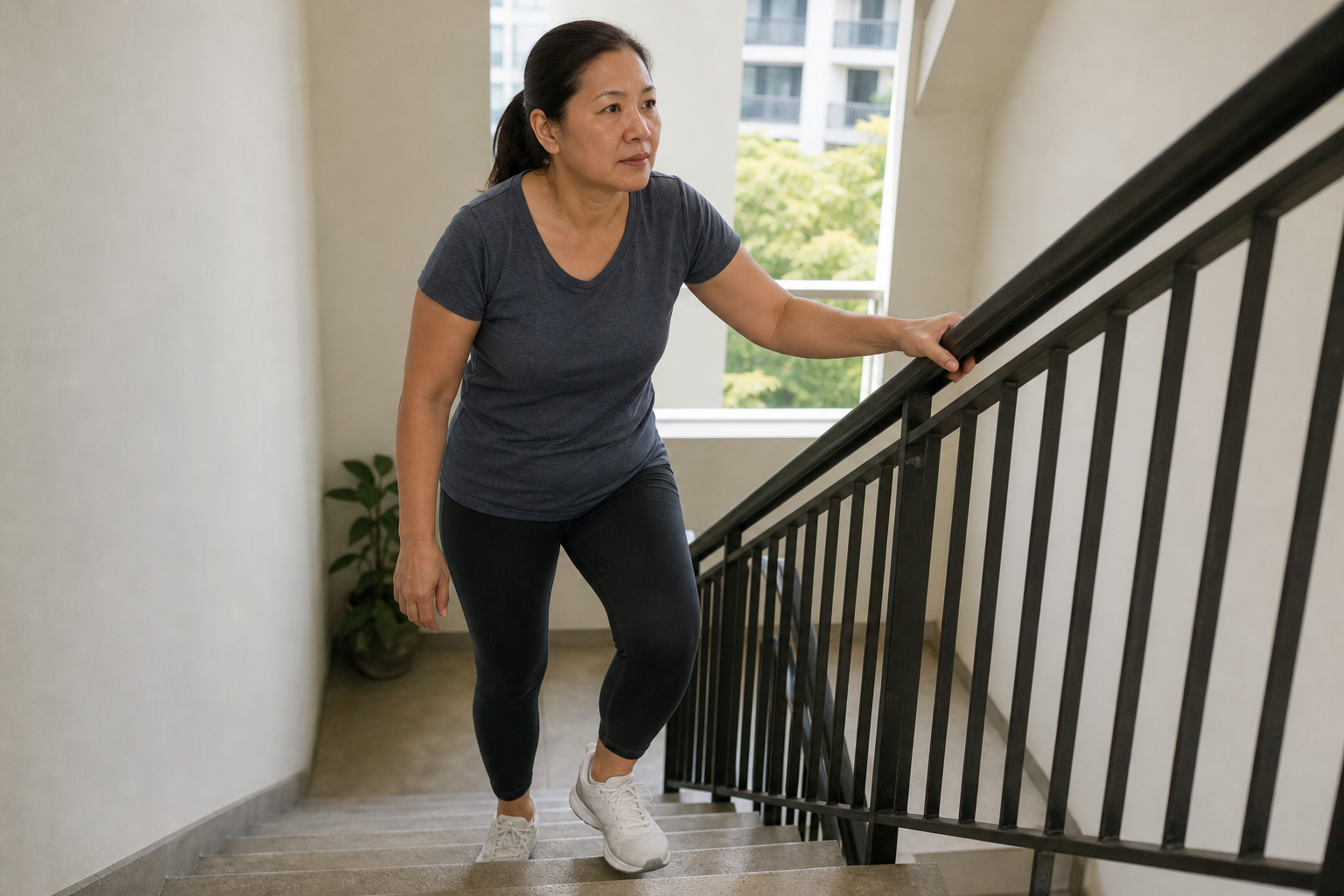
The number on the scale is finally moving. Your clothes fit. Then you pause halfway up the condo stairs, hand on the rail, and wonder why that flight feels harder than it did three months ago.
I hear that story more often now. Semaglutide and tirzepatide, the pens people call Ozempic, Wegovy, and Mounjaro, are part of private Malaysian care through GPs, aesthetic clinics, and telehealth. Pharmacists have warned about illegal online pens, so stick to a registered prescription. We do not prescribe at Pinpoint. What we see is the body that arrives with the drug: lighter on the scale, sometimes quieter in daily movement, and not always stronger where it counts.
Ozempic muscle loss is a blunt name for a real pattern. A large share of the kilograms you lose is lean tissue, and lean tissue is not the same as looking thinner. Function is the test.
Scale down is not the same as stronger
In the STEP 1 DXA work on semaglutide, a large share of total weight lost was lean mass, not only fat. Tirzepatide studies often land closer to about a quarter lean share. Recent reviews put the band roughly in the 25–40% range. Numbers vary by drug, imaging, and who was studied.
Patients often miss this next bit. DXA "lean" includes muscle, organs, and water shifts. It is not a pure muscle scan. That is why I care less about a single body-composition printout and more about what you can do:
- Rising from a dining chair without pushing hard on the arms
- Opening a jar or carrying groceries that used to feel easy
- One flight of stairs without needing the rail
If those are slipping while the scale keeps falling, talk to us before you invent a harder gym plan.
People with diabetes who start a GLP-1 for sugar control sometimes already have stiff shoulders or irritable tendons. That is a different problem from the weight-loss pen alone. If blood sugar has been the main story for years, diabetes-related joint changes deserve their own look. Older parents facing age-related decline are covered separately in our note on sarcopenia in Malaysian families.
You may be moving less, not more
Plenty of people assume that once weight drops, steps and sport will rise on their own. Early Fitbit data presented at ENDO 2026 suggested the opposite for many adults after starting a GLP-1: average steps and moderate-to-vigorous minutes fell, with bigger drops in men and people who already had musculoskeletal pain. It was conference-level work without a matched control group, so I treat it as a signal, not proof.
Still, it matches clinic. Appetite is unreliable. Energy dips after injection days. Nausea makes a long walk sound like a bad idea. Then one morning the clothes fit and the reaction is pickleball, a new gym membership, or an hour of mall walking on legs that have been undertrained for weeks.
Weight off a joint can ease pain. Muscle and tendon capacity do not rebuild on hope. Sudden volume is how Achilles, cuff, and elbow flares show up in people who thought they had earned a hard return to sport.
What physiotherapy can do from week one
Start strength work when you start clinic contact about the pen, not after you decide you are finished losing. Muscle is easier to protect during the drop than to rebuild after months of under-eating and under-loading.
We keep it boring on purpose. Progressive resistance two or three times a week: sit-to-stands or squats, a hip hinge or bridge, a row, a press. Progress one variable at a time. Shorten the session on low-appetite days. Keep the habit.
If the Achilles, shoulder, or elbow is already irritable, we load the tendon in a controlled way instead of stretching it into submission or resting it into weakness. Absolute rupture risk on these drugs looks low in the early association data. I will not tell you the pen ruptures tendons. I will ask you not to jump load overnight.
Protein intake and the drug dose belong to your dietitian and prescribing doctor. They matter. I will not invent grams or pen units here. Our job is capacity: strength, tendon tolerance, and a return-to-activity plan that matches the body you have this month, not the size on the tag.
Facial fat loss gets the social media airtime. In the clinic, the quieter problem is legs, grip, and tendons.
If you come off the pen later
Plenty of people regain a large share of lost weight in the year after stopping, even with lifestyle support. Joints notice rebound load fastest when muscle is thin. Keep the strength habit through any taper your medical team plans. Rebuild capacity first, then add sport volume.
Message us if stairs, sit-to-stand, or carrying get harder despite training, or if a tendon starts to bark after a sudden activity jump. Seek urgent medical care for a sudden tendon pop, days of almost no intake with dizziness, or strength falling far faster than expected. Those are not wait-for-physio problems.
If you are in Subang Jaya or nearby and the scale is dropping while daily tasks feel harder, WhatsApp us to book an assessment at Pinpoint Physiotherapy in Ara Damansara. We will not touch your prescription. We will help you keep the strength the number on the scale cannot show.
Related articles.
If this piece helped, these will too.
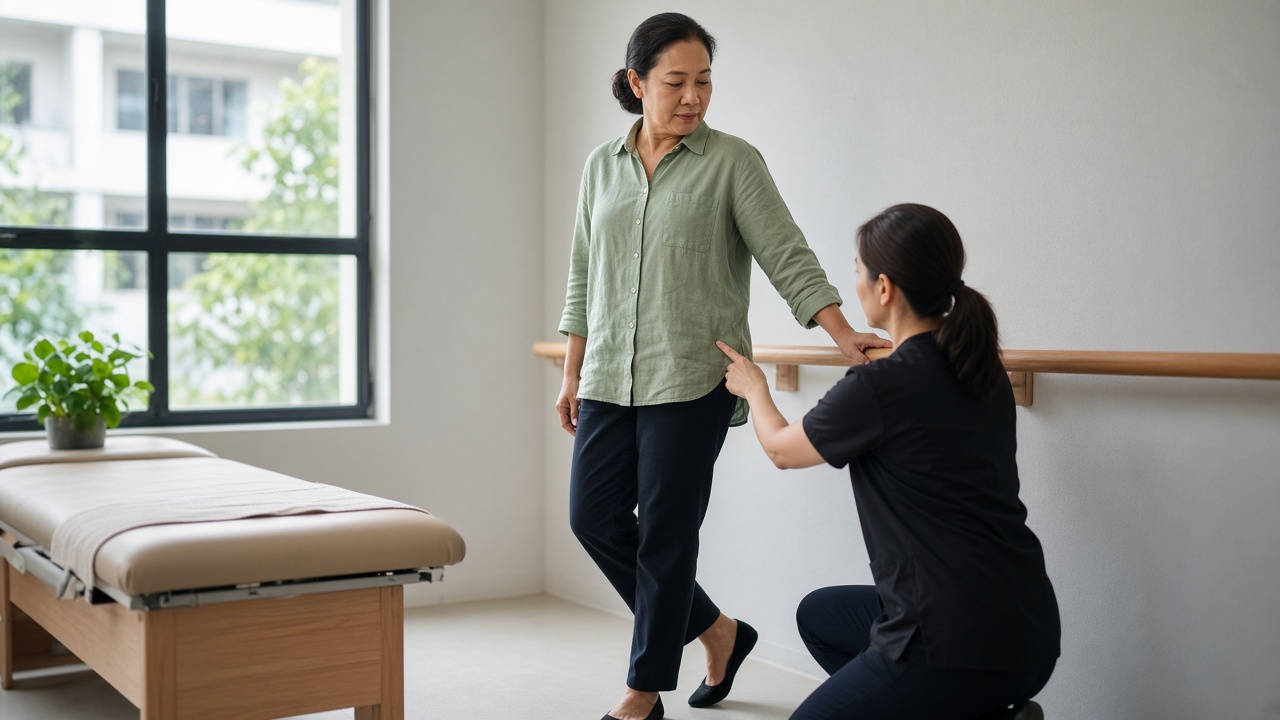
Side Hip Pain After 40 Is Usually the Glute Tendon
Side hip pain after 40 is often gluteal tendinopathy, not hip bursitis. A steroid shot can quiet it briefly. Gradual tendon loading is the longer plan.
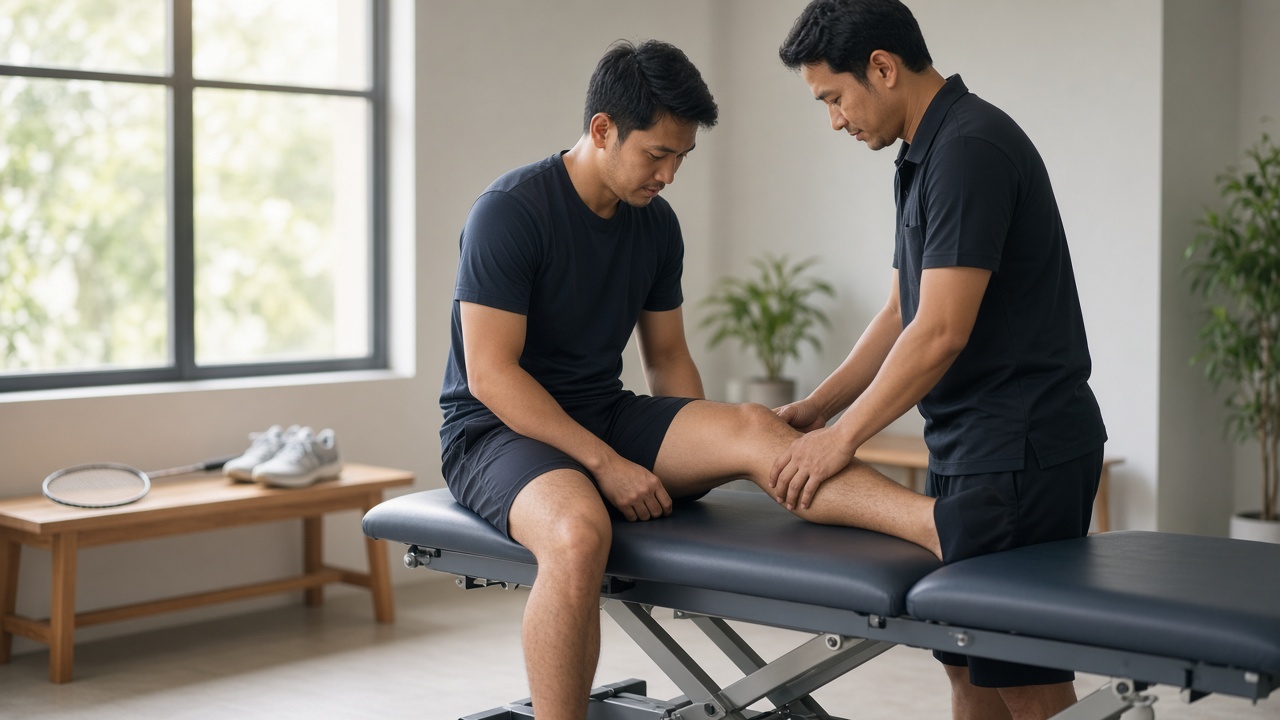
Dry Needling for Sports Recovery: A Physio Explains
Dry needling for sports recovery can ease muscle pain for a short while. A physio on timing, tennis elbow, and why the training week still matters.
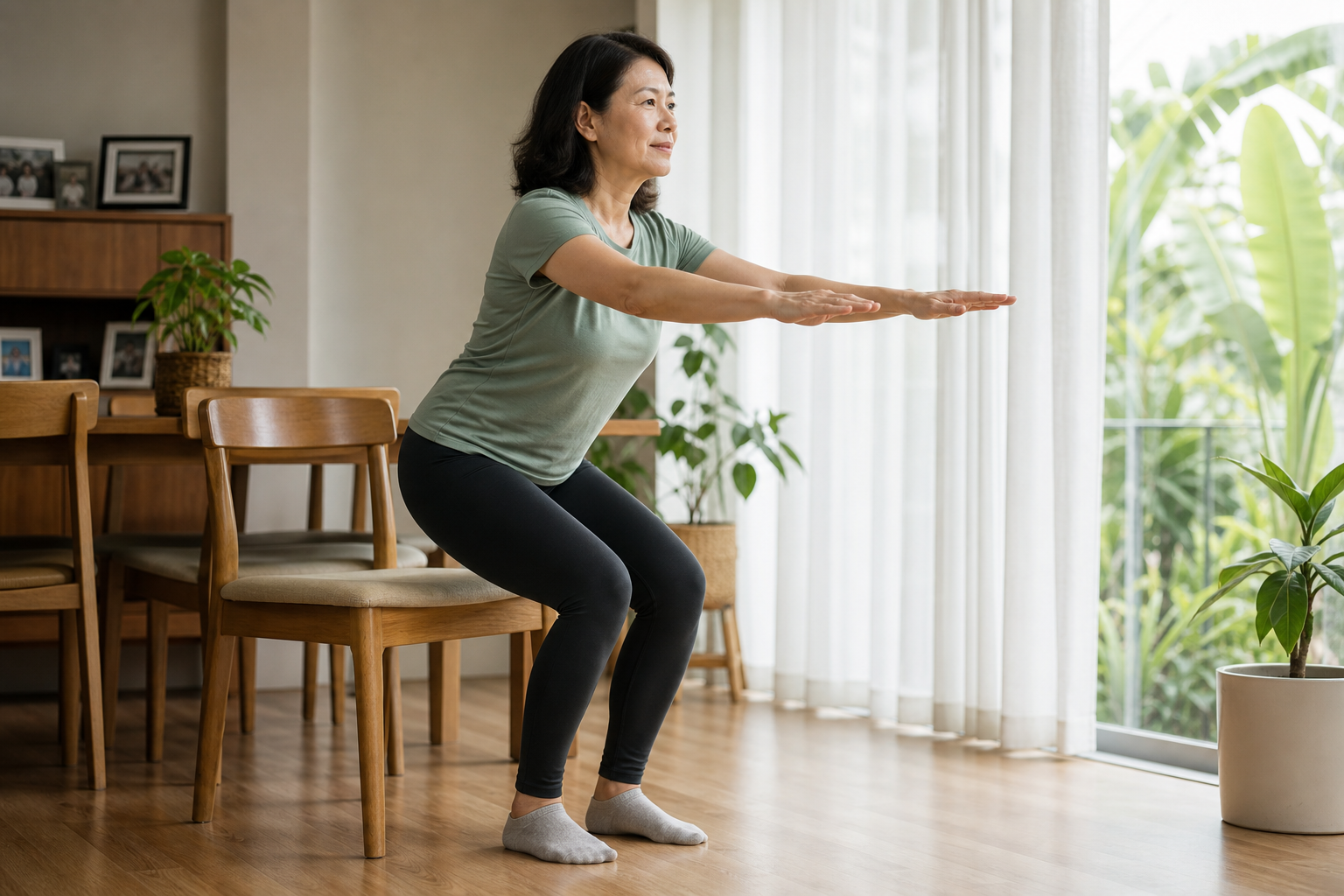
Perimenopause Joint Pain: When the Scan Looks Fine
Perimenopause joint pain often shows up before hot flushes in Malaysian women. A clear X-ray does not mean nothing is wrong. Here is what helps.
Book an assessment.
60 minutes. One-to-one with Felicia. Reply on WhatsApp within a few hours.
Message on WhatsApp