Pain After 60: What Helps When Rest Has Stopped Working
Pain after 60 is common in Malaysia, and still treatable. Long rest often feeds stiffness. Here is what helps, and when a doctor should come first.
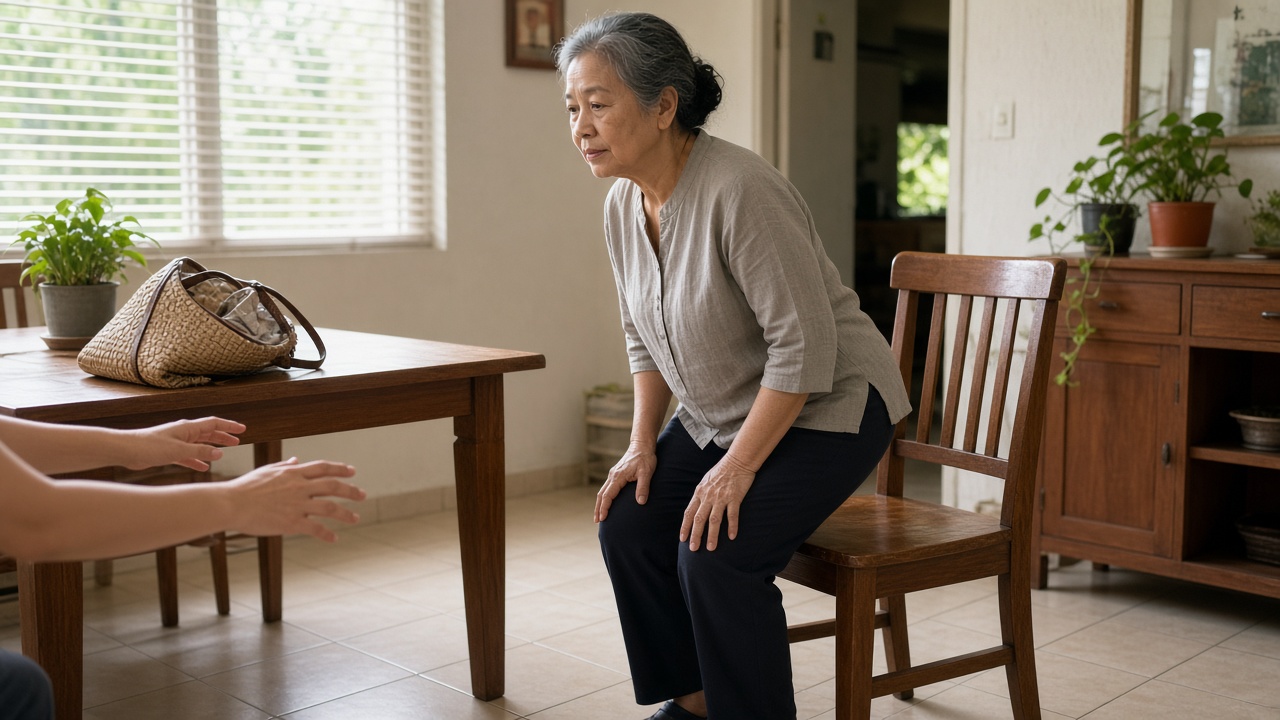
The market bag has sat by the door for a month. The right knee managed the walk there and ached all the way back with the groceries. Someone in the family has said, kindly, that this is what the late sixties look like. The chair by the window is winning.
Pain after 60 is common in Malaysia. In the 2019 National Health and Morbidity Survey, pain lasting three months or more was reported by about one in five adults in their sixties, and by closer to three in ten among people aged 75 and older (Institute for Public Health, NHMS 2019). Older adults often say less about it. The Ministry of Health's geriatric pain handbook notes that this pain gets filed under ageing, and that exercise-based rehabilitation is underused (Ministry of Health Malaysia, 2018).
Pain after 60 still has a workable plan
Most weeks, the people over 60 who come in have a sore knee, a backache, or a shoulder that will not reach the top shelf.
Knee pain with walking, in someone 45 or older, with morning stiffness of about half an hour or less, is how knee osteoarthritis usually presents. NICE allows that diagnosis without a routine X-ray, unless the story is unusual: a recent fall, a hot swollen joint, stiffness that runs much longer, or symptoms worsening quickly (NICE NG226). If surgery is already being discussed, see knee pain after 50.
An ordinary backache gets the same check for a serious cause. When that is clear, keep up normal activities and add exercise you can still manage (NICE NG59). A shoulder that stiffened slowly and will barely turn outward can still be a frozen shoulder after 60. A fever with that night pain belongs with a doctor.
A quieter month asks more of the joint
Rest feels like the careful choice. The walks stop, then the stairs, then standing to cook. A fortnight later the old route hurts more, and movement gets the blame.
The leg has usually changed faster than the joint. Ten days of strict bed rest, in healthy adults around age 67, cut knee-straightening strength by about 13% (Kortebein et al., 2008). A sore week in the chair is a milder version of that. The thigh steps back, and the knee takes more of the load. Over months, that feeds the muscle loss called sarcopenia. If a parent is also slower to stand, read what is weakening an ageing parent.
Therapeutic exercise is core care for osteoarthritis. If extra body weight is adding load, that joins the plan. Early sessions can ache. We keep the next morning no worse. Regular exercise still reduces pain and makes daily tasks easier (NICE NG226).
A Cochrane review found land-based exercise lowered knee pain by about 12 points on a 0 to 100 scale just after a programme, and by about 6 points a few months later. The early change is moderate, in the same range often quoted for anti-inflammatory tablets (Fransen et al., 2015). In a separate trial, people around age 63 with knee osteoarthritis plus heart disease, diabetes, lung disease, or obesity that already limited daily life did 20 weeks of adapted exercise. Compared with a group who waited, daily function was better and a six-minute walk was about 34 metres longer (de Rooij et al., 2017).
A noon walk in our heat is a poor reading of the knee. Use a shorter loop in the cooler hour, and sit once.
This week, pick one change: a shorter market loop, a lighter bag, or fewer stairs. Replace shoes whose soles have gone smooth. The strength work is what changes the month.
When a doctor should see you before we do
Physiotherapy is a reasonable first booking when you can take weight, the pain follows what you do, and stiffness eases once you move. See a doctor the same day, or go to emergency care, for:
- A leg you cannot stand on after a fall, or a joint that looks the wrong shape
- Back pain with new loss of bladder or bowel control, numbness between the legs, or weakness in both legs
- Chest pain, breathlessness, or a calf that is hot and swollen
- A joint that is newly hot and swollen, especially with fever or feeling very unwell
- Weight dropping without a reason, plus night pain that stays when you change position, particularly after cancer
- Several joints newly swollen, or morning stiffness that lasts well past half an hour
Turning over onto a stiff knee at 2am is common in osteoarthritis. A fever with that night is a different problem.
What a better month looks like
We plan for a job you want back. Market and home, one sit, a lighter bag. One flight of stairs with the rail, and a knee that holds. Part of the night on the side you prefer. Up from the floor after a grandchild, using the sofa.
The first visit is an hour, one to one. We ask what you have stopped, check the signs above, and watch you walk, stand, and move the sore joint. You leave with one or two movements for this week.
If pain after 60 is why the market bag stays by the door, WhatsApp us to book an assessment at Pinpoint Physiotherapy in Ara Damansara. Bring the list of what you have given up.
Related articles.
If this piece helped, these will too.
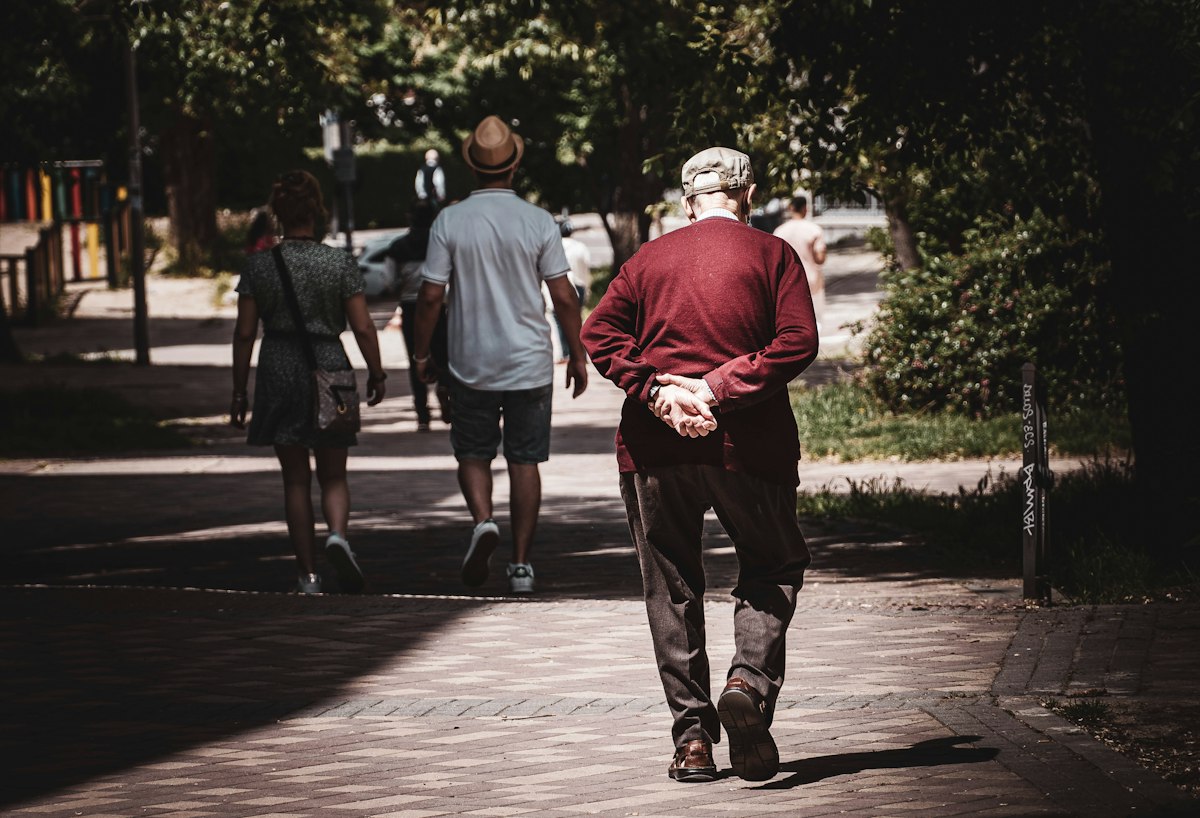
Your Elderly Parent Is Slowing Down. Here's What Helps.
Worried about a parent's mobility? A Klang Valley physiotherapist explains why protecting them from activity may backfire — and what actually helps.
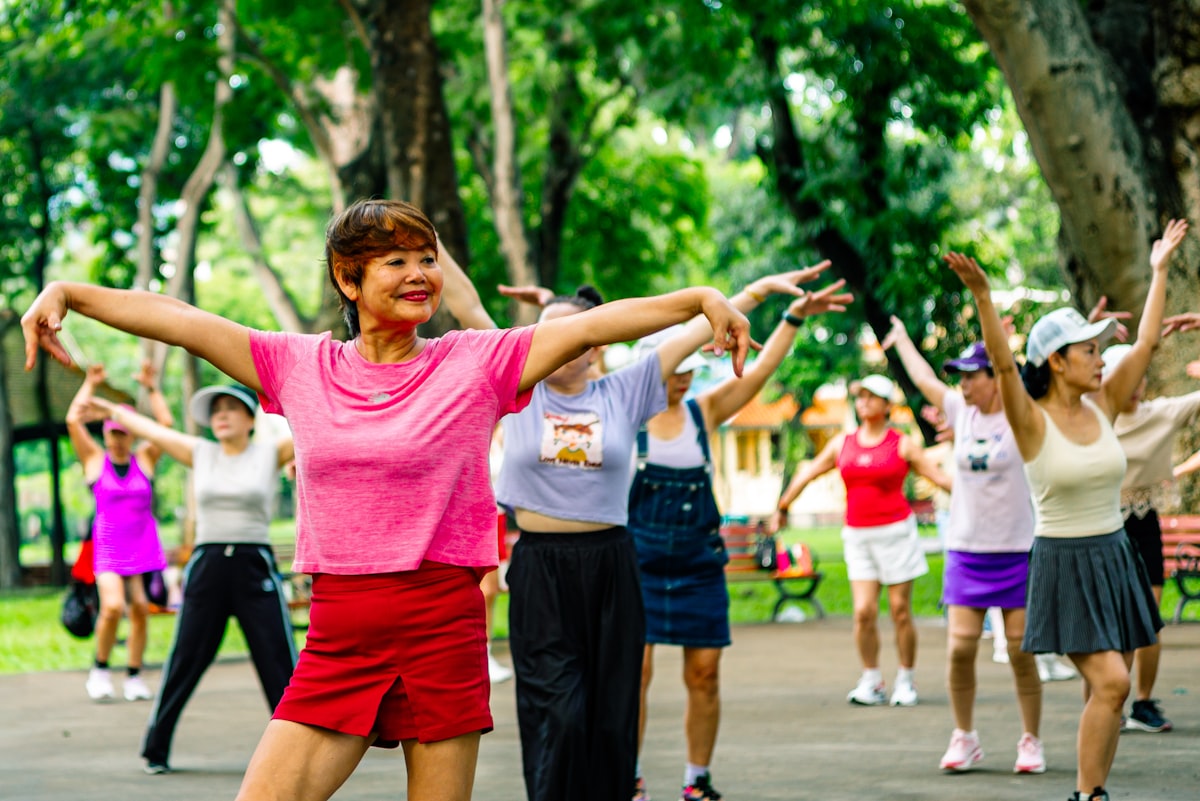
Sarcopenia in Malaysia: What's Weakening Your Ageing Parent?
Up to 1 in 4 Malaysians over 60 has sarcopenia. Here's what muscle loss really looks like — and why physiotherapy can reverse it.

Exercising in Malaysia's Heat: A Senior's Safety Guide
Malaysia's heat and humidity challenge seniors year-round. Here's how to exercise safely outdoors — and why stopping entirely is riskier than you think.
Book an assessment.
60 minutes. One-to-one with Felicia. Reply on WhatsApp within a few hours.
Message on WhatsApp