
Physiotherapy vs Chiropractic in Malaysia: What's the Difference?
Unsure whether to see a physio or chiropractor? A Petaling Jaya physiotherapist breaks down the honest differences — and when each one is the right call.
A patient messaged me the week before her first appointment. She'd been managing back pain for two years — tried a few things, nothing stuck — and eventually just asked: should I see a physio or a chiropractor? What's the actual difference?
I get asked this fairly often. Here's the honest version.
What chiropractic does
Chiropractic is built on spinal manipulation — the high-velocity adjustment that produces the audible crack. The theory is that correcting spinal alignment reduces nerve interference and restores function.
For acute, uncomplicated lower back pain, the evidence is decent. Short-term pain relief from manipulation compares reasonably with other passive treatments in a number of trials. If you've had a sudden back episode and you've responded well to manipulation before, a chiropractor isn't an unreasonable choice.
The scope tends to get narrower from there.
What physiotherapy covers that chiropractic typically doesn't
The difference isn't just technique — it's how the problem gets framed. The question I'm asking isn't "what needs to be adjusted?" It's "why is this tissue being loaded the way it is, and what do we change so it stops?"
That matters a lot for certain presentations.
Post-surgical rehab — ACL reconstruction, hip replacement, rotator cuff repair — requires staged, progressive loading of healing tissue. Manipulation has no role. What you need is a structured programme that rebuilds strength without re-injuring what was just repaired.
Nerve pain — sciatica, radiculopathy, thoracic outlet — needs neural mobilisation and load management. Manipulation can aggravate certain presentations significantly, so the assessment really does have to come before the treatment.
Sports injury rehab is largely about understanding how someone moves, identifying where load is being mismanaged, and rebuilding from there. That's exercise science applied clinically.
And if something has been painful for months or years, the stabilising muscles around that joint are usually compromised — weak, inhibited, or both. Passive treatment of any kind won't reverse that. Progressive loading does.
What the research actually shows
Cochrane reviews on spinal manipulative therapy for back pain show modest short-term relief that is broadly comparable to other conservative treatments, with limited advantage at longer follow-up for acute presentations and only small short-term differences versus other interventions in chronic low back pain (Cochrane: SMT for acute low-back pain; Cochrane: SMT for chronic low-back pain). The evidence for exercise-based physiotherapy in chronic back pain is more consistent for pain reduction versus no treatment or usual care because it targets the movement dysfunction keeping the pain going, not only the pain signal itself (Cochrane: exercise therapy for chronic low back pain).
For nerve, joint, or tendon pathology, the physiotherapy research base is wider — largely because the scope of treatment is wider.
That's not a dismissal of chiropractic. It's just that the professions were built around different questions.
When a chiropractor is a reasonable call
Acute lower back pain, no leg symptoms, no neurological signs, and a history of doing well with manipulation — that's probably fine. Some people genuinely respond better to manual joint work, and that's a real finding.
One caveat: back pain with leg symptoms, weakness, or any bladder changes needs a proper assessment before manipulation. That presentation is not uncomplicated.
When physiotherapy makes more sense
Post-surgical recovery. Sports injuries. Nerve pain. Chronic back and neck pain that keeps returning after treatment. Pain that traces back to how you move or load your body every day.
If the mechanism hasn't been addressed, the pain tends to come back. That's what physiotherapy is trying to fix.
Not sure which direction to go?
If you're in Petaling Jaya or Subang Jaya and genuinely uncertain, message me before you book anywhere. Tell me what's going on — how long, what you've already tried, what the symptoms actually feel like — and I'll tell you honestly what I think, including if another route makes more sense for your situation.
WhatsApp Felicia — no referral needed, same-day responses.
Sources
Related articles.
If this piece helped, these will too.
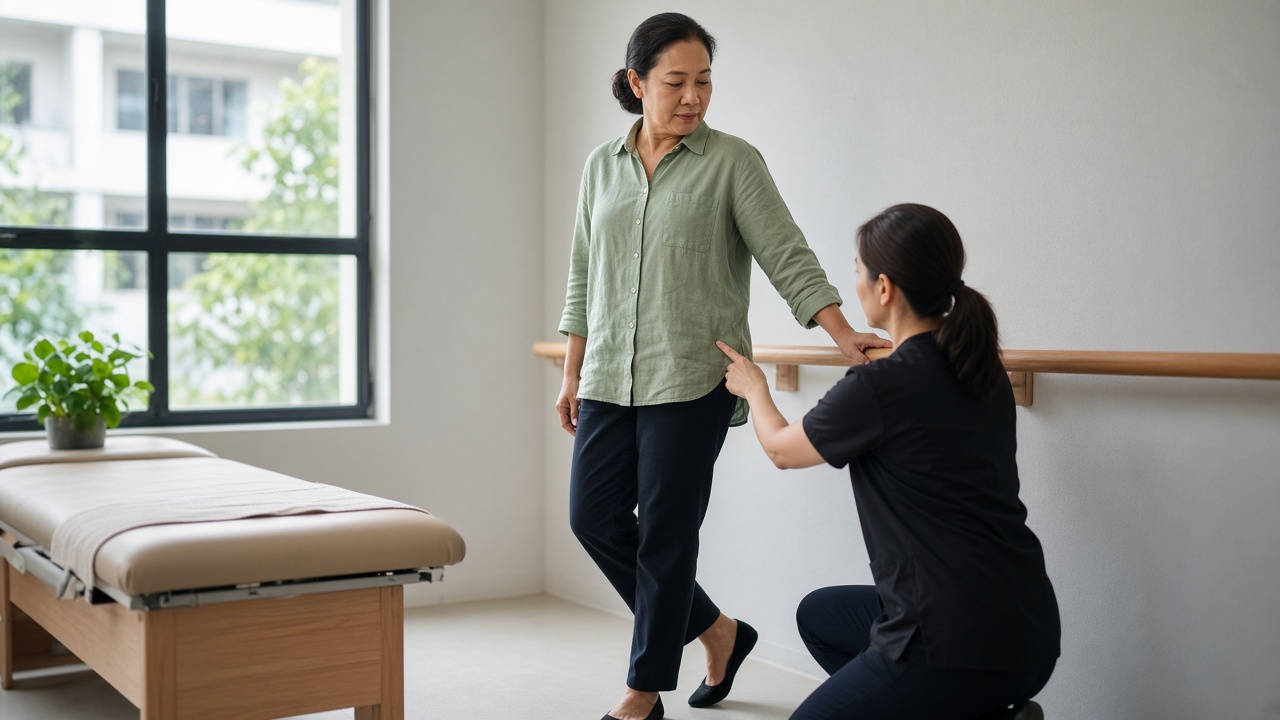
Side Hip Pain After 40 Is Usually the Glute Tendon
Side hip pain after 40 is often gluteal tendinopathy, not hip bursitis. A steroid shot can quiet it briefly. Gradual tendon loading is the longer plan.
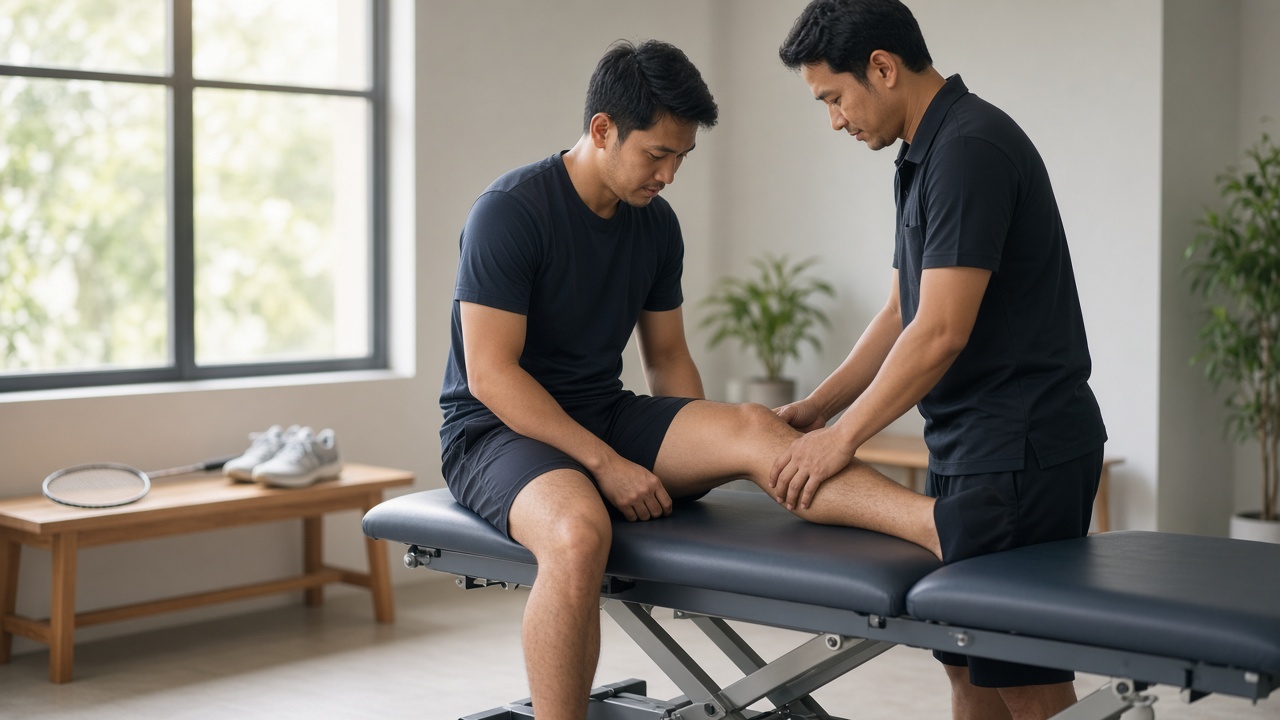
Dry Needling for Sports Recovery: A Physio Explains
Dry needling for sports recovery can ease muscle pain for a short while. A physio on timing, tennis elbow, and why the training week still matters.

Perimenopause Joint Pain: When the Scan Looks Fine
Perimenopause joint pain often shows up before hot flushes in Malaysian women. A clear X-ray does not mean nothing is wrong. Here is what helps.
Book an assessment.
60 minutes. One-to-one with Felicia. Reply on WhatsApp within a few hours.
Message on WhatsApp