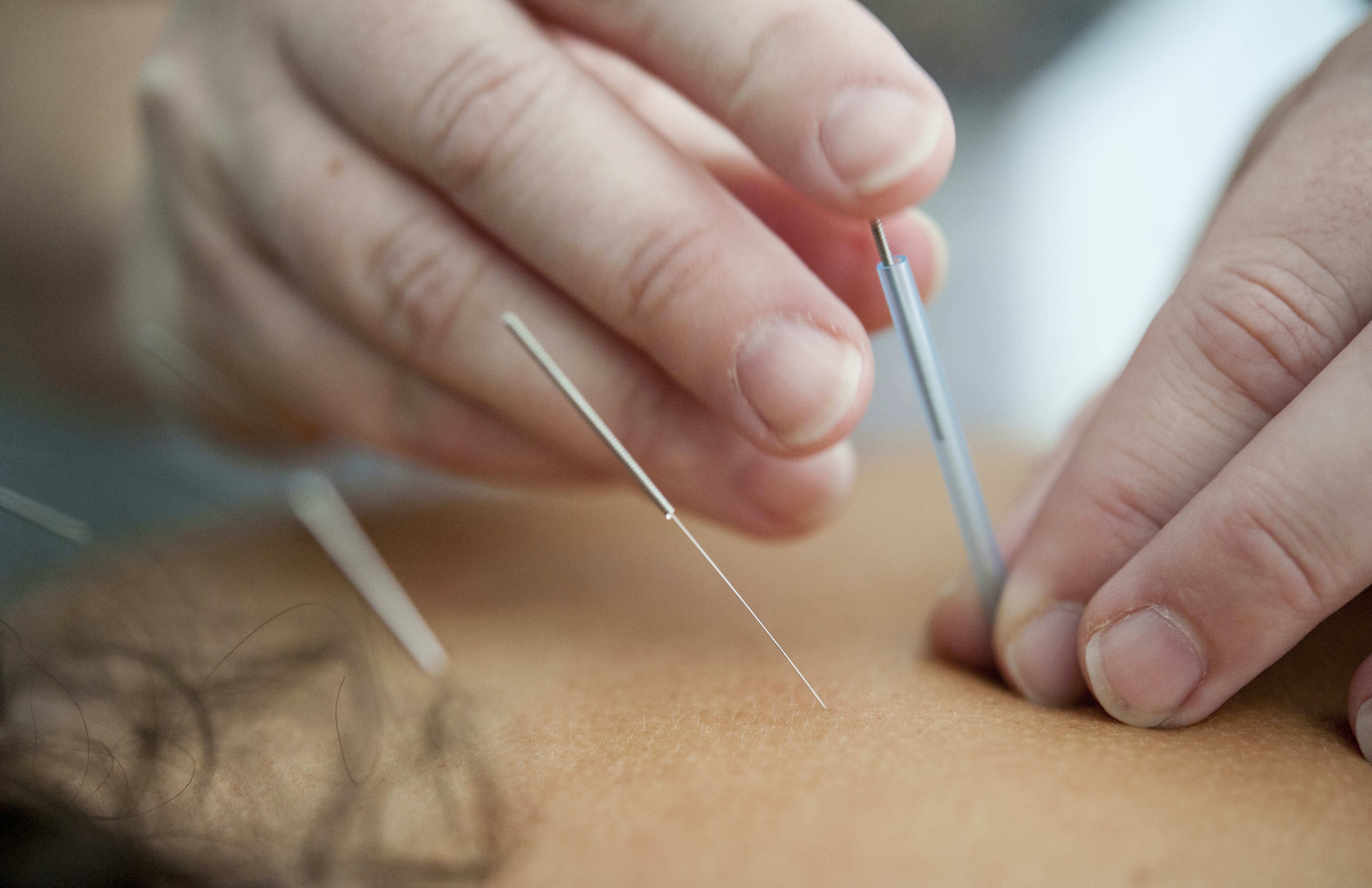
Dry Needling Physio or Acupuncturist: Who to See in Malaysia
Three kinds of clinics offer dry needling in Malaysia. A PJ physiotherapist explains what changes when a physio holds the needle — and how to choose.
Search for dry needling anywhere in the Klang Valley and you'll find it offered by three very different kinds of providers: physiotherapy clinics, TCM and acupuncture centres, and massage or wellness studios that list needling as an add-on service. Same thin needle in every case. What happens around the needle is not the same — and that's the part that decides whether you get lasting relief or just a sore shoulder and a receipt.
I've written before about how dry needling differs from acupuncture as a technique. This post is about the other question, the one you actually face when comparing clinics: who should be holding the needle?
Who offers dry needling in Malaysia
Three groups, broadly.
Physiotherapists. In Malaysia, dry needling sits within physiotherapy scope of practice. Physios fall under the Allied Health Professions Act 2016, and those who needle have done specific training in trigger point anatomy and safety protocols. For a physio, needling is one tool inside a clinical framework: assessment, diagnosis, treatment, rehab.
Acupuncturists and TCM practitioners. Registered with the T&CM Council under the Traditional and Complementary Medicine Act 2016. Some TCM centres advertise dry needling alongside acupuncture, and from the treatment table the two can look identical. The framework behind the needle is different — meridians and systemic balance rather than trigger points and movement assessment.
Massage and wellness studios. This is the murkier end. Needling sometimes appears on a spa or sports-massage menu as an add-on, and the training behind it varies a lot — anywhere from a moonlighting clinician to a weekend course. If a provider can't tell you exactly what qualification their needling rests on, that is your answer.
None of this is gatekeeping for its own sake. A needle through the skin near the lung, the spine, or a nerve bundle is a clinical act. Who is trained to do it — and what they were trained to check first — is a patient-safety question, not a turf war.
What changes when a physio holds the needle
Honestly? The needle itself is maybe ten minutes of my session. Everything else is the difference.
Before I needle anything, I want to know why that trigger point exists. A knot in your upper trapezius didn't appear out of nowhere. It's usually downstream of something — a desk setup, a stiff thoracic spine, a shoulder that stopped moving properly after an old injury. Release the knot without touching the cause and you've bought two good weeks. Then the same spot tightens again.
So physio-led dry needling wraps the needle in assessment and follow-through. Movement testing first, to find what's driving the pattern. Needling only the points that are actually maintaining it. Then manual therapy and targeted exercise in the same session, so the release holds.
There's also the unglamorous skill of knowing when not to needle. Certain presentations — neurological signs, unexplained night pain, anticoagulant use — need a different plan or a referral, not a needle. Screening for that is what the clinical training is for.
If you want the full picture of how a session runs, the dry needling physio service page walks through it, and I've covered safety and side effects separately.
When an acupuncturist is the right call
Genuinely, sometimes. If your goal is systemic — stress, sleep, digestion, general wellness — that's TCM's home ground, and a registered acupuncturist working within that framework is the right provider for it. Check the T&CM registration and you're in regulated hands.
Where I'd push back is the middle case: a specific, mechanical, muscular problem — a shoulder knot, a recurring headache pattern, post-training tightness — taken to a provider who never assesses how you move. The needling might still feel productive. But nobody has asked why the muscle keeps locking up, so nothing stops it from coming back.
Four questions to ask before anyone needles you
- What's your training in dry needling specifically? A confident provider names the course or qualification without flinching. "Years of experience" is not an answer. For what one named pathway looks like in practice, see GEMt Level 3 dry needling.
- Will you assess me before needling? If the plan is needles first, questions later — walk.
- Are the needles sterile and single-use? Non-negotiable, anywhere, no exceptions.
- What happens after the needle? The right answer involves exercise, load, or a plan. "Come back next week" on its own is a subscription, not a treatment.
If you're still weighing it up
If you want physiotherapy in Petaling Jaya and are not sure whether your problem is a physio problem, message me before booking anywhere — including before booking us. Tell me what's going on, how long it's been there, and what you've already tried. I'll tell you honestly whether physio-led dry needling fits, or whether another route makes more sense for your situation.
WhatsApp Felicia — no referral needed, same-day responses.
Related articles.
If this piece helped, these will too.

Dry Needling in Malaysia: What to Ask Before You Book
Dry needling in Malaysia has no licence of its own. A physiotherapist explains what to ask about registration, training, and safety before you book.
Side Hip Pain After 40 Is Usually the Glute Tendon
Side hip pain after 40 is often gluteal tendinopathy, not hip bursitis. A steroid shot can quiet it briefly. Gradual tendon loading is the longer plan.
Dry Needling for Sports Recovery: A Physio Explains
Dry needling for sports recovery can ease muscle pain for a short while. A physio on timing, tennis elbow, and why the training week still matters.
Book an assessment.
60 minutes. One-to-one with Felicia. Reply on WhatsApp within a few hours.
Message on WhatsApp