Runner's Knee: Why It Keeps Coming Back (And How Physio Fixes It)
Runner's knee keeps returning because rest doesn't fix the movement problem behind it. Here's what physio actually does for PFPS in Petaling Jaya.
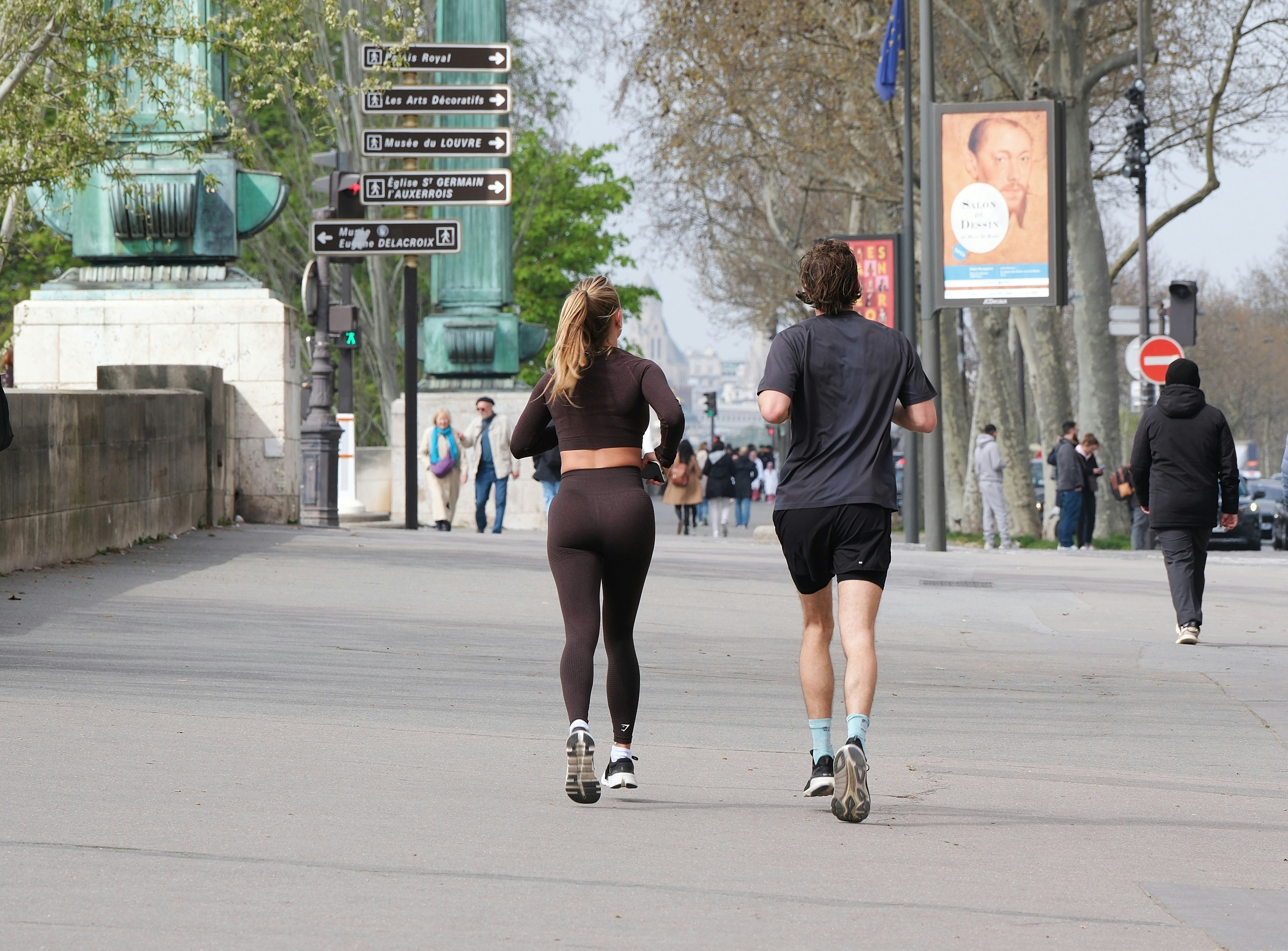
A runner comes in having done everything right — by the usual advice. Anterior knee pain showed up three weeks before a race. She rested for two weeks, skipped the race, let the inflammation settle. No running, no stairs, foam rolled her quads every night. The knee felt fine.
She went back to running. By kilometre four of her first session back around Kiara Park, the ache behind her kneecap was exactly where it had been before.
This is the most common pattern I see with patellofemoral pain syndrome (PFPS). The rest works — temporarily. The pain fades. The runner returns. The pain returns. The cycle repeats until frustration or a worsening episode finally brings them in for an actual assessment.
What runner's knee actually is
Patellofemoral pain syndrome is pain arising from the patellofemoral joint — the interface between your kneecap and the groove it rides in at the front of the femur. The classic presentation is anterior knee pain that worsens on descending stairs, squatting, sitting for long periods, and sustained running.
What it is not: a structural tear. Not cartilage damage (unless it's been going on for years and been badly managed). Not something that shows up on a standard X-ray.
PFPS is a load distribution problem. The patella is being loaded unevenly — either tracking laterally in the groove, or bearing more compressive force than the joint can tolerate at a given training volume, or both. The joint itself is often entirely intact. The pain is real and can be significant, but the origin is mechanical. You are not trying to heal a tear. You are trying to change how load moves through the knee.
Why rest alone never fixes it
Rest reduces load. That reduces irritation. The pain settles. This is useful — you don't want to keep training through significant inflammation.
But rest does nothing about why the joint was being loaded unevenly in the first place. The tight hip flexors are still tight. The weak glutes are still weak. The running gait hasn't changed. The foot still pronates the same way. Two weeks off running doesn't touch any of those things.
When you return to running, you return to exactly the same movement pattern at exactly the same volume progression, and the patella tracks the same way it always has. The pain comes back because the mechanism that caused it was never addressed.
The three movement drivers that keep PFPS recurring
In practice, most runners with recurrent PFPS have at least two of these patterns present.
The first is weak glutes and hip abductors. When the hip abductors aren't working properly, the pelvis drops on the unsupported side during stance phase — a Trendelenburg pattern. This shifts the femur inward, increases the valgus angle at the knee, and changes the tracking forces on the patella. You can have perfectly adequate quad strength and still be driving lateral patellar loading with every step because the hip above isn't stabilising the leg.
The second is tight quads and hip flexors. Increased tension through the quadriceps group — particularly rectus femoris — directly affects patellar position, pulling it superiorly and laterally and compressing it more forcefully against the femoral groove. Runners with anterior pelvic tilt from tight hip flexors also tend to run with higher quad load because the hip extensors are inhibited. The quad compensates. The patella pays for it.
The third is foot pronation and running gait pattern. Excessive pronation collapses the medial arch and internally rotates the tibia, adding to the valgus load at the knee. Combined with a crossover gait or overstriding, this creates a chain of compressive forces that travel directly to the patellofemoral joint on every footstrike. No amount of quad stretching fixes a gait problem.
What a physio assessment finds that self-treatment misses
Foam rolling your quads, icing the knee, and taking a rest week is self-treatment based on the symptom. It's not the same as assessment.
When I assess a runner with PFPS, I'm looking at movement, not just the painful structure. A single-leg squat tells me a significant amount: how the hip controls the descent, whether the knee tracks medially, how the trunk compensates. Hip abductor and external rotator strength is tested objectively. I'm watching how you walk, and where possible, watching your running pattern.
The knee is often the least interesting part of the assessment. The pain is in the knee. The cause is usually a level up.
This is also where the connection to the hip and lower back matters. Runners with chronic hip flexor tightness or lumbar mobility restrictions often have altered load patterns throughout the lower limb. If there's a back and hip component driving patellar tracking issues, it needs to be part of the picture.
What treatment actually looks like
The foundation is load management — not rest, but structured load modification. You continue running at a volume the knee can currently tolerate, and that volume increases progressively as strength and movement quality improve. For most runners, this means temporarily reducing distance and intensity, not stopping entirely.
In the short term, patellar taping (McConnell taping) is often used to offload the lateral patellar facet during exercise. It doesn't fix anything permanently, but it reduces pain during rehab, which means you can train harder and build strength faster. Patellar mobilisation helps where lateral retinacular tightness is pulling the patella off-course.
The main work is strength and load rehabilitation: hip abductor strengthening, glute activation through single-leg exercises, and progressive quad loading in positions that don't overstress the joint. Terminal knee extensions, Spanish squats, step-downs — the specific programme depends on your assessment findings.
For runners, gait retraining is often part of it too. Increasing step rate slightly reduces peak knee loads. Correcting crossover gait reduces the medial valgus stress on each footstrike. Small, targeted adjustments that reduce patellofemoral loading without changing how you run overall.
The Malaysian running context
Runners in PJ, Subang, and KL have no shortage of opportunity to push through pain. Weekend group runs at Kiara Park and Taman Jaya, the PJ Hash trail runs, Putrajaya night events — there's always another race on the calendar, always someone whose knee is also a bit sore and managing fine. Anterior knee pain gets normalised in the community.
The problem is that "it's just knee pain, I can push through" works until the load accumulates to where it doesn't anymore. Runners who keep training through significant PFPS without addressing the mechanics are often the ones who eventually develop cartilage changes that do show on imaging.
Early management isn't overcautious. It's the difference between a six-week fix and a six-month problem.
What to expect from treatment
PFPS responds well to physiotherapy. It's not a complex structural injury — it's a load and movement problem, and both are directly addressable.
Most compliant patients see significant improvement within six to eight weeks: meaningful reduction in pain, return to full running volume, and a movement pattern that isn't setting them up for the same injury three months later.
The critical word is compliant. Doing your hip exercises twice a week when you find time, running at full volume anyway, and wondering why it isn't improving isn't physiotherapy — it's wishful thinking with a tape job.
If you're a runner in PJ or Subang dealing with anterior knee pain that keeps returning whenever you build mileage, don't wait for another DNS. WhatsApp to book an assessment at Pinpoint Physiotherapy in Ara Damansara.
Related articles.
If this piece helped, these will too.
Side Hip Pain After 40 Is Usually the Glute Tendon
Side hip pain after 40 is often gluteal tendinopathy, not hip bursitis. A steroid shot can quiet it briefly. Gradual tendon loading is the longer plan.
Dry Needling for Sports Recovery: A Physio Explains
Dry needling for sports recovery can ease muscle pain for a short while. A physio on timing, tennis elbow, and why the training week still matters.
Perimenopause Joint Pain: When the Scan Looks Fine
Perimenopause joint pain often shows up before hot flushes in Malaysian women. A clear X-ray does not mean nothing is wrong. Here is what helps.
Book an assessment.
60 minutes. One-to-one with Felicia. Reply on WhatsApp within a few hours.
Message on WhatsApp