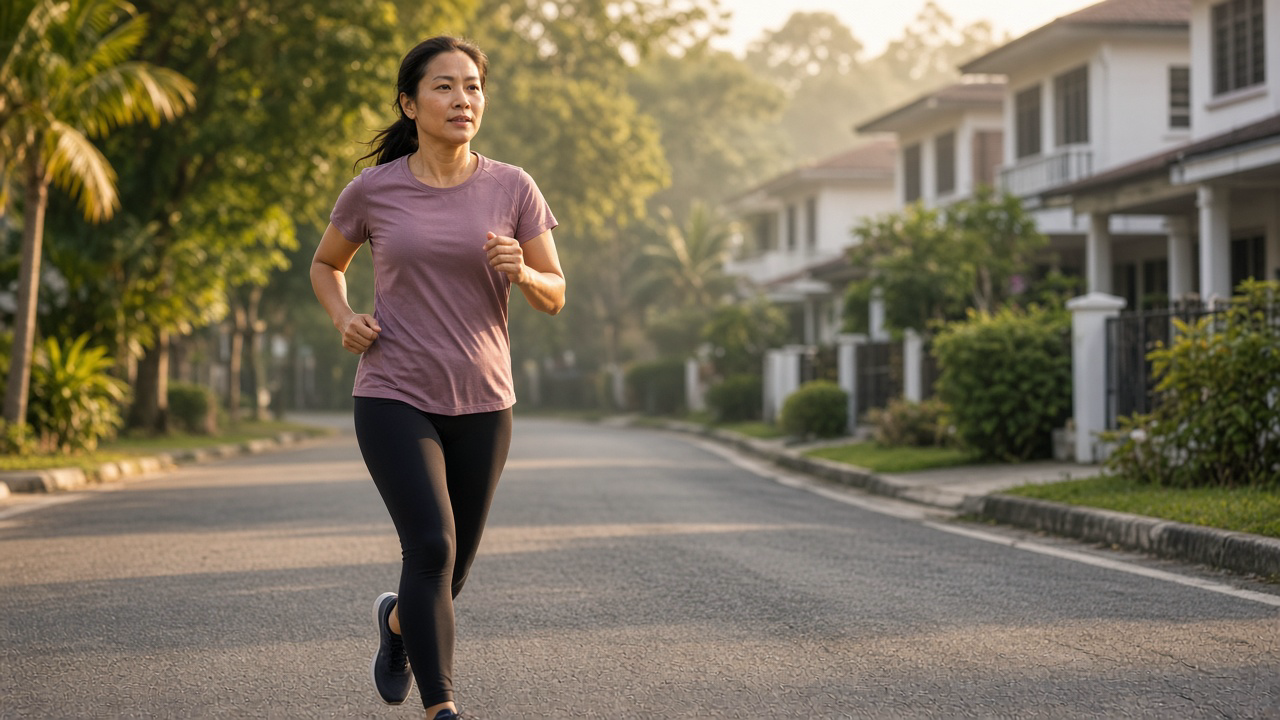
Running Injuries Malaysia: Why It's Not Your Shoes
Running injuries in Malaysia often start after a mileage jump, not a bad shoe. A Subang physio on load, runner's knee, shin pain, and safer return.
You bought the cushioned pair. Maybe the anti-pronation one after the shop measured your feet. The knee still bites at kilometre five around Kiara. Or the shin starts to burn on the last loop of a Saturday Parkrun. So you rest a week, feel fine, and the pain is waiting when you climb back to the old pace.
That loop is what running injury treatment in Malaysia usually has to untangle. A better shoe can feel nicer. It rarely fixes an overuse problem that started when load climbed faster than the tissue could catch up.
Why load beats shoe choice for most runners
Recreational runners get hurt a lot. Reviews put lower-limb running injuries somewhere from the high teens to well over half of runners, depending on how studies count them. Newer runners sit higher than people who have been consistent for years.
Shoes, surface, and form change how force is shared. Weekly kilometres, hills, speed sessions, and how fast you progressed decide how much force there was. Large reviews of footwear find little consistent difference in injury rates between shoe types or posture-based prescriptions. The stories we hear more often: a desk week, then a WhatsApp race signup; night road loops after office; "I used to run in uni" mileage on a body that has not carried that volume in years.
Heat and humidity make the same GPS pace cost more. An afternoon loop in Subang or a late session after dinner can still be hard work even when the watch looks slow. That is extra physiological load sitting on top of the kilometres, not a separate diagnosis, and not something a midsole solves.
The four injuries that keep sidelining recreational runners
IT band syndrome shows up as lateral knee pain that builds with distance, often worse downhill. Stretching the band alone rarely settles it. Hip and glute capacity, plus cutting the runs that provoke it, usually matter more.
Patellofemoral pain (runner's knee) is the diffuse ache around or behind the kneecap that hates stairs, hills, and sustained running. Rest calms it. Returning to the same volume without hip and knee strengthening brings it back. We unpack that cycle in more depth in our note on runner's knee physiotherapy.
Shin splints (medial tibial stress syndrome) feel diffuse along the inner shin during or after runs. Graded walk–run and calf work help. Focal pinpoint tenderness, night pain, or pain that arrives earlier every session needs a closer look. That is the pattern where we worry about a stress fracture, and you should not train through it hoping gel will fix it.
Achilles tendinopathy often starts as morning stiffness that warms up, then flares after a speed or hill spike. Progressive calf loading over weeks beats endless rest-and-gel cycles. Insertional pain is handled more carefully than midportion pain, so guessing from a blog is not enough.
Heel pain that feels like plantar fasciitis sits in the same load family. If months of stretching have not moved it, see our plantar fasciitis post for what stretching alone misses.
Simple signs your mileage is ahead of your recovery
Mild ache that settles in the first ten minutes is different from pain that climbs each kilometre. Pain that is worse the next morning, or that makes you limp, is your cue to cut volume, not to foam-roll harder and still show up for Sunday's long run. A cold pack can take the edge off a fresh flare for a day or two — use it as short-term comfort, not a training plan. How to ice an injury safely covers timing, skin checks, and when to skip ice altogether.
Change one stressor at a time. Distance, hills, and speed in the same week is how many weekend warriors get stuck. The popular "10% rule" is a useful starting point, not a safety law. Trials have not shown that a neat 10% weekly cap reliably prevents injury. Prior capacity, heat, sleep, and how hard the sessions feel matter as much as the percentage on your training app.
What physiotherapy actually changes
In clinic we map the recent spike: kilometres, hills, races, nights after work, shoe changes, old injuries. We test single-leg control, hip strength, calf endurance, and whether tenderness looks diffuse or focal. Gait cues help some people. They are not a universal form overhaul.
Treatment is rarely total rest. It is relative load change, progressive strength (often hip, glute, and calf), and a graded return. Easy distance before speed. Check how you feel the next day. You should leave with a plan you can run with, not a lecture about your shoes.
If running injuries keep interrupting your build in Subang Jaya, PJ, or nearby, WhatsApp us to book an assessment at Pinpoint Physiotherapy in Ara Damansara. We will look at the load that started it, and help you rebuild the capacity to keep running.
Related articles.
If this piece helped, these will too.
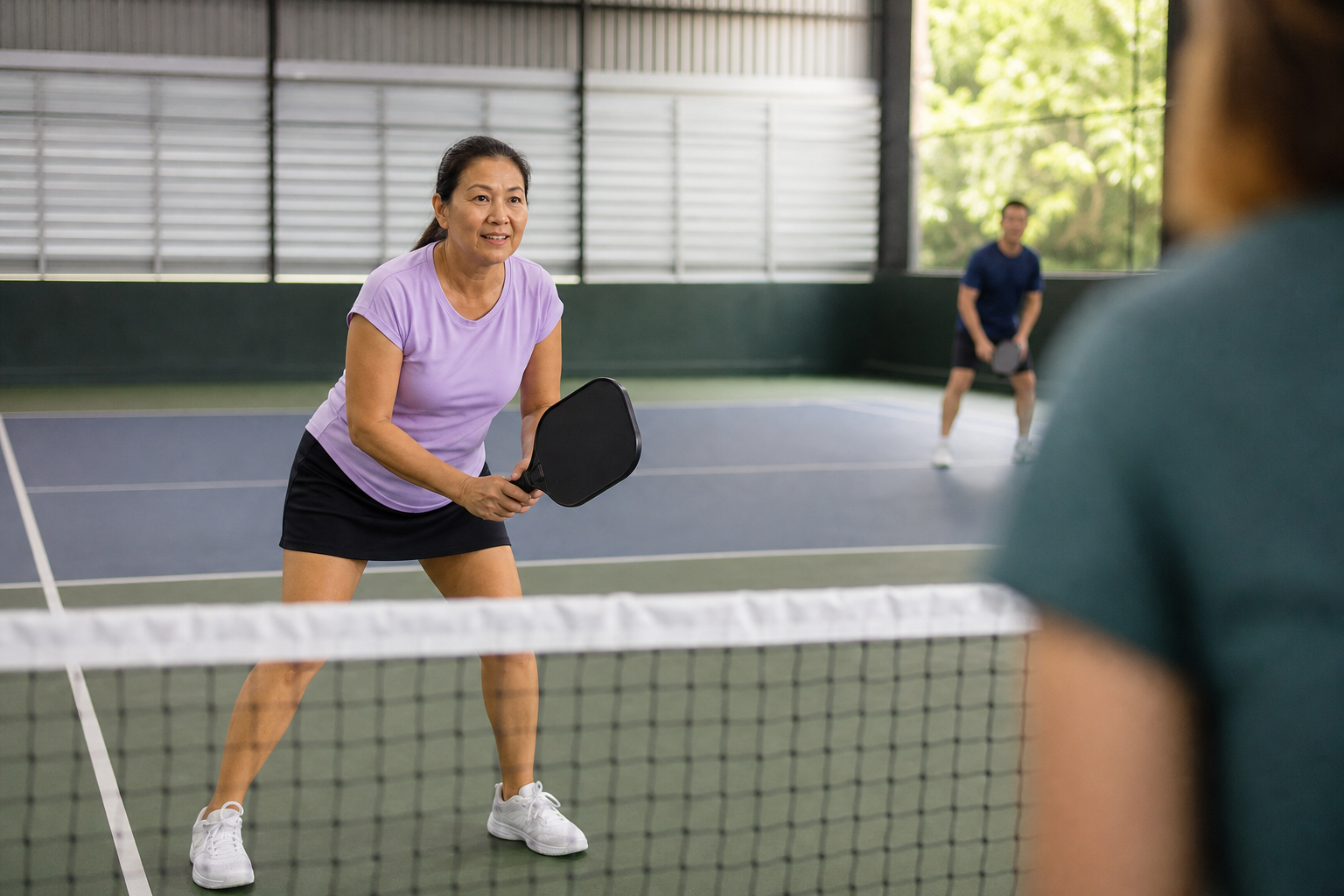
Pickleball Injuries Malaysia: Not Easier Badminton
Pickleball injuries in Malaysia often start after three weeks of 'easy' play. A Subang physio on elbow, Achilles, and why volume beats the myth.
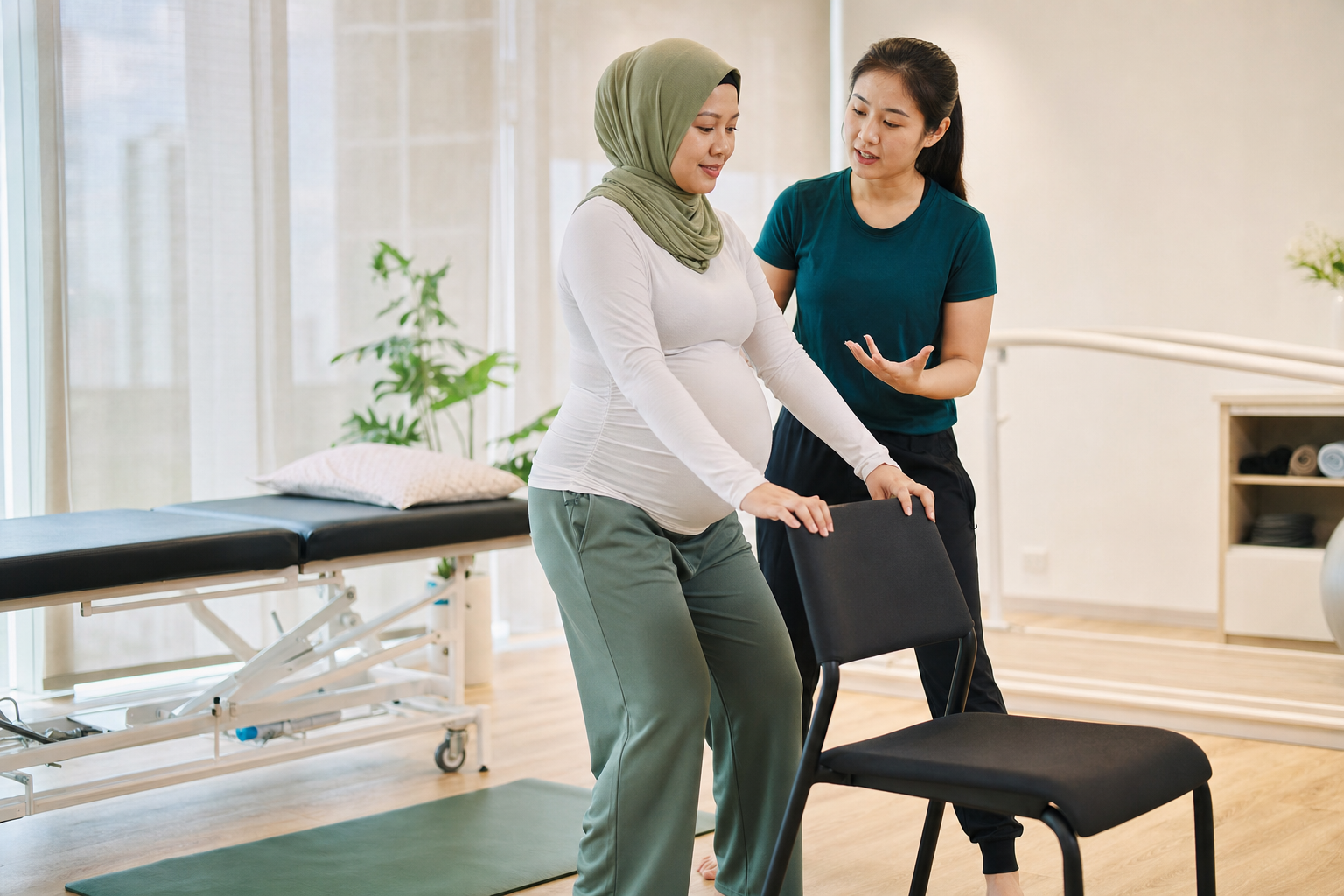
Back Pain in Pregnancy: What's Safe and What Helps
Back pain in pregnancy is common, but you do not have to simply endure it. Learn what is safe, when physiotherapy helps, and when to seek medical care.

You Don't Have to Wait for a Fall: What Physiotherapy Can Do Right Now
Most people only see a physio after something goes wrong. Here's why the people who stay independent the longest are the ones who book before crisis strikes.
Book an assessment.
60 minutes. One-to-one with Felicia. Reply on WhatsApp within a few hours.
Message on WhatsApp