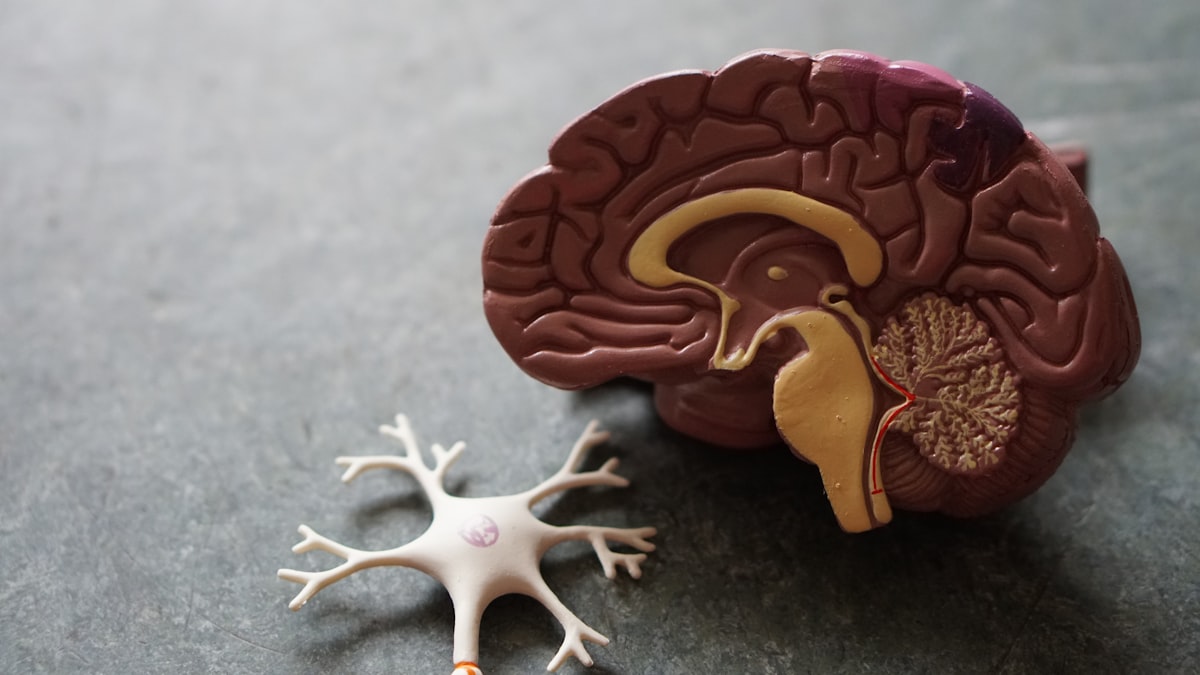
Dry Needling vs Massage: Which Is Right for You?
An honest comparison from a Petaling Jaya physiotherapist — when massage works, when dry needling works better, and how to choose.
A patient came in recently with chronic neck and shoulder pain she'd been managing for about two years. Her routine: a sports massage every two to three weeks, sometimes more often when it flared up. It helped. For a day or two she felt looser, the headaches eased, and she could turn her head properly. Then it crept back.
She wasn't complaining about massage — she liked it, and it clearly did something. What she wanted to know was: "Would dry needling actually be different? Or is it just a more expensive version of the same thing?"
They work through genuinely different mechanisms, address different problems, and are best used for different situations. Neither is universally better. Here's how I think about it.
What massage actually does
Manual massage — whether that's a clinical sports massage, traditional urut, or a deep tissue session at your local place — works primarily through mechanical pressure on soft tissue.
That pressure does several useful things. It increases local blood flow, which brings oxygen and nutrients to the area and helps clear metabolic waste. It activates the gate control mechanism in your nervous system, temporarily reducing the brain's perception of pain. With sustained pressure, hyperactive muscles can relax via a reflex response. And a proper relaxation massage lowers cortisol — the stress response itself settles down, which is genuinely therapeutic.
This is real physiology. Massage works. I'm not going to tell you otherwise.
The limitation is depth and specificity. Manual pressure — even firm, skilled pressure — can only mechanically reach so deep. For a muscle that has developed a true myofascial trigger point (a tight, hypersensitive knot with its own abnormal neurological firing pattern), surface pressure suppresses the pain signal temporarily. It doesn't resolve what's generating it.
What dry needling does differently
Dry needling uses a thin sterile needle inserted directly into a trigger point. If you want the foundational explanation of how a session works — and how it differs from acupuncture — start with dry needling vs acupuncture.
The key difference is mechanical disruption at the source. The needle reaches structures that hands can't — deep neck flexors, suboccipitals at the base of the skull, piriformis deep in the gluteal region, the rotator cuff beneath the deltoid. When it contacts an active trigger point, it typically produces a local twitch response — a brief involuntary muscle contraction. That twitch is the trigger point discharging and resetting its neurological firing pattern.
The effect on the nervous system is also different. Dry needling has a meaningful effect on central sensitisation — the process by which the spinal cord and brain become over-sensitised to pain signals after prolonged muscle dysfunction. This is part of why chronic pain sometimes doesn't fully respond to local treatment: the nervous system itself has been recalibrated toward pain. Massage addresses the peripheral muscle. Dry needling can influence that central component in ways that manual therapy doesn't consistently achieve.
That's the mechanism behind why some patients feel a more lasting change after dry needling than after massage — it's not anecdotal, there's a physiological basis for it.
When massage is the right choice
For general relaxation and stress management, massage is exactly what you need. If you've had a heavy week and your shoulders are at your ears, there's no clinical need to complicate it. That's a legitimate treatment goal on its own.
Post-training muscle soreness — DOMS after a hard gym session or a long run — also responds well to massage. The muscle isn't dysfunctional, it's just tired and inflamed. Maintenance for well-managed conditions is another good fit. Many of my patients do both: dry needling when something flares, massage in between for general upkeep.
And if you have a wedding on Saturday and your neck is stiff, a good massage on Friday is the right call.
When dry needling is the better choice
The pattern I watch for is this: massage helps, but the relief doesn't hold. It comes back within two or three days, predictably, in the same location. That pattern — temporary relief, same problem returning — is often a sign that there's an active trigger point the massage is quietening but not clearing.
When a specific trigger point has been present for months, chronic structural changes in the muscle fibre make it unlikely that surface pressure alone will resolve it. When there's a nerve-related component — pain radiating down the arm or leg, or tingling and numbness — dry needling addresses the muscular driver more precisely. When central sensitisation is a factor, as it is in longstanding chronic pain, you need an intervention that reaches beyond the periphery.
And when manual pressure simply can't reach the structure — the deep neck flexors that drive cervicogenic headaches, the suboccipitals that feed tension into the skull, the piriformis in hip and sciatic presentations — a needle gets there when hands can't.
Post-surgical muscle inhibition is another case where dry needling is often the better tool. Muscles that have shut down after surgery sometimes need a more direct neurological stimulus to re-engage than massage can provide.
The Malaysian context
A lot of patients I see in Ara Damansara have been rotating between tukang urut, sports massage chains, and occasional self-treatment with a foam roller. Sometimes for years. They get relief, it comes back, they book again.
I'm not criticising that — those options have real value. But if you've been in that cycle for more than a few months with the same problem recurring in the same place, it's worth asking whether you're managing symptoms or actually resolving what's driving them. That's when I'd suggest an assessment rather than just booking another session of whatever you've been doing.
Can you combine them?
Yes, and I often do. In the same session, I'll use dry needling to address specific trigger points and follow with manual therapy to work through the surrounding tissue once the primary knots have released. They're complementary, not competing.
If you're not sure whether your pattern calls for dry needling specifically, WhatsApp me before booking and describe it — how long it's been there, whether massage helps and for how long, and where exactly the pain is. That's usually enough for me to give you a straight answer. If you'd like to know what a dry needling session actually involves, I've covered that here.
Related articles.
If this piece helped, these will too.
Side Hip Pain After 40 Is Usually the Glute Tendon
Side hip pain after 40 is often gluteal tendinopathy, not hip bursitis. A steroid shot can quiet it briefly. Gradual tendon loading is the longer plan.
Dry Needling for Sports Recovery: A Physio Explains
Dry needling for sports recovery can ease muscle pain for a short while. A physio on timing, tennis elbow, and why the training week still matters.
Perimenopause Joint Pain: When the Scan Looks Fine
Perimenopause joint pain often shows up before hot flushes in Malaysian women. A clear X-ray does not mean nothing is wrong. Here is what helps.
Book an assessment.
60 minutes. One-to-one with Felicia. Reply on WhatsApp within a few hours.
Message on WhatsApp